QQ Let the Internet Design Its Next Official Emoji — and the Winner Is Universally Relatable
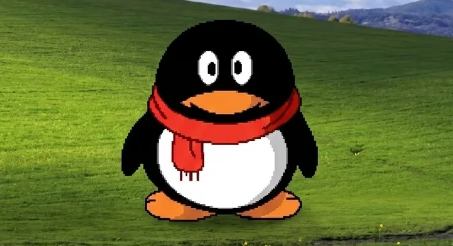
For more than two decades, QQ's yellow face emoji have been non-negotiable. Tencent designed them.
For more than two decades, QQ's yellow face emoji have been non-negotiable. Tencent designed them. You used them. That was the deal.
Until now.
On July 17 — World Emoji Day — QQ dropped something genuinely unprecedented into its emoji panel: a brand-new yellow face that wasn't born in a Tencent design meeting. It was drawn by a random internet user.
The emoji, called "散味儿" (roughly "Air It Out"), shows two hands flapping rapidly beside a face — the universal gesture for
get this smell away from me
. But the scent here isn't literal. It's the stench of a boring workday. The whiff of someone's too-public romance. The distinct odor of a person you'd rather not be standing next to. Whatever needs dispersing, this little guy handles it with a faintly dismissive "tch, move along" energy that feels precision-engineered for the modern Chinese internet.
The winning design came from creator @狸风, who beat out a wave of submissions during QQ's month-long "Yellow Face Co-Creation Contest." The process was democratic to its core: open submissions, a public vote, and then a light polish from QQ's design team, who sharpened the rhythm of the hand-flap animation while carefully preserving the original's mildly disdainful charm — toning it just slightly toward "playful tease" rather than outright hostility.
This is the first time in QQ yellow face history that an official emoji originated from user-generated content. Not a brand collaboration. Not a holiday tie-in. An actual person, drawing an actual feeling, that actually won.
That alone would be notable. But QQ didn't stop at digital.
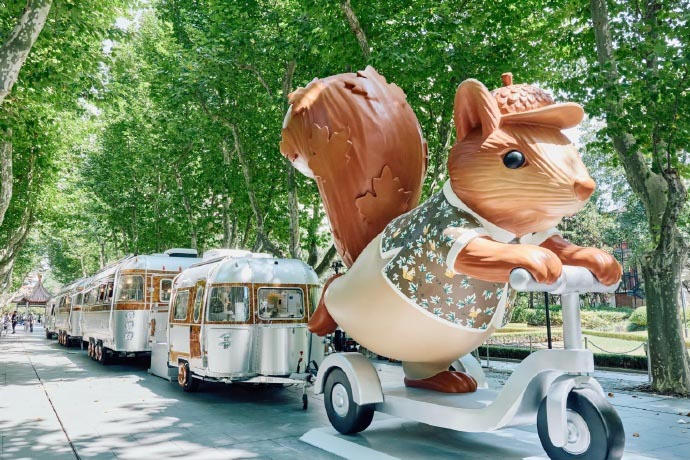
The campaign spilled into physical space at universities including Communication University of China, Shenzhen University, and Zhejiang University of Media and Communications, where the emoji contest became part of graduation season and summer campus life. Students voted. Students created. And QQ turned those raw emotional states into tangible artifacts: "Dopamine Full-Health Recovery Pills," "Worry-Dissolving Slow-Release Tablets," lenticular fans, and canvas tote bags printed with — what else — actual emoji. The kind of merch that doubles as a social signal.
Online, low-barrier DIY tools let office workers, fan communities, and fandom artists keep remixing. Each subculture got to draw its own version of a yellow face. The signal was clear: this isn't a one-off competition. It's infrastructure for an ongoing emotion economy.
QQ capped the campaign with an AI short film,
公元2026:失落的表情
("2026 AD: The Lost Emoji"), framed as a "future archaeology" piece. In it, emoji drawn by users today are rediscovered and remembered by people of the future. It's the kind of meta-narrative that closes the loop — official platform, user creation, user sharing — transforming scattered UGC into something with genuine cultural gravity.
QQ's yellow face has been staging a quiet comeback for a while now. There was the Starbucks collab. The April Fools' face mask drop. The photo-booth crossover. Each move pulled the emoji further from the chat window and deeper into offline life. But the co-creation contest does something fundamentally different: it hands over the definition rights.
A face born in the early 2000s, carried through generations of Chinese internet users, is now being asked to express the emotions of right now — by the people actually feeling them. That's not nostalgia bait. That's making a legacy product earn its relevance.