PUMA Turned Its 75-Year Archive Into a Shanghai Pop-Up Museum
PUMA has a habit of mining its back catalog, but this month it's going deeper than a re-release.
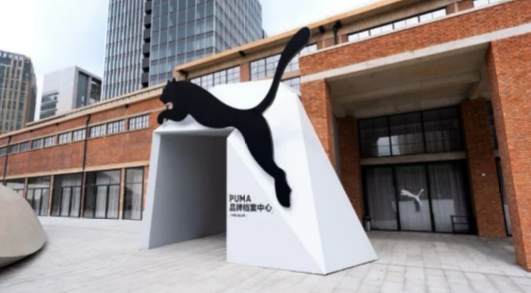
PUMA has a habit of mining its back catalog, but this month it's going deeper than a re-release. The brand opened a "PUMA Brand Archive Center" — a limited-time space at Shanghai's ROJO Art & Culture Center — built around the theme "Untamed City" (不驯之城), essentially turning decades of design history into something fans can walk through.
The draw is the objects themselves: nearly a hundred pieces, many on loan from overseas collectors. Rather than a single chronological wall, PUMA reorganized the archive into themed zones — Pioneer Archive, Puma Plaza, Millennium Rebirth, Track Legends, Suede Street, PUMA GIRL, and a "Style Reconstruction" area. Scattered through them is a specific love letter to the brand's thin-soled family: the Speedcat, the Suede, the H-Street, with the design stories behind each pulled out and put on display.
The thin-sole focus isn't random. PUMA's glut of low-profile styles has been having a genuine moment — the Speedcat especially — and a pop-up that lets visitors trace how those silhouettes evolved from racing roots into streetwear staples reads as smart, not just nostalgic. It gives the trend a backstory instead of treating it like a passing fad.
The other half of the experience is built for fans of specific people, not just specific shoes. PUMA created two "inspiration bases" for ambassador Zhang Linghe and singer Shan Yichun. Zhang's is a film-set ("Ling Gan Studio") that merges clapperboards, fill lights, and track cameras with PUMA's visual codes; Shan's is a recording studio ("Chun Xiang Radio") where visitors can hunt for hidden clues the two left behind. It's a tactical blend of archive storytelling and festival-booth energy — brand history on one side, selfie-friendly star fan service on the other.
It's also a telling format for the moment: rather than a flagship or a hyped drop, PUMA chose to let the merchandise be the museum. For a global audience, that's the part worth noting — a sneaker archive pop-up in a major Chinese city, treating heritage as an event rather than a footnote, and doing it just as low-profile footwear is peaking.