China's Biggest Condiment Brand Just Launched a Water Bottle — and It's Free
Here's a sentence no one expected to write: one of China's largest condiment companies just entered the water bottle market.
Here's a sentence no one expected to write: one of China's largest condiment companies just entered the water bottle market. Haitian — the brand behind half the soy sauce bottles in Chinese kitchens — is now selling a 1.28-liter "ton-ton bucket." And it all started because kids kept losing their water bottles at school.
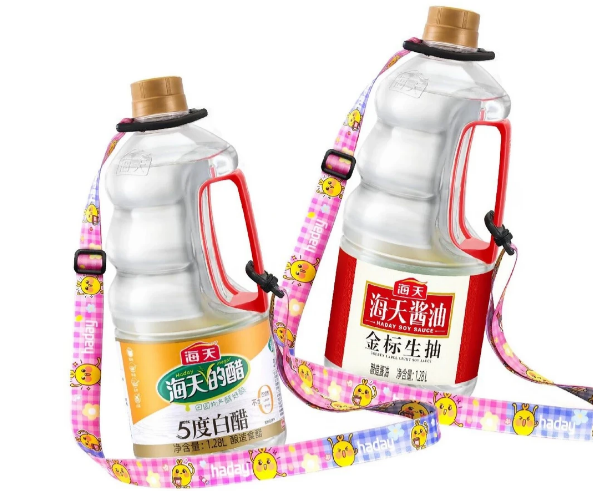
The origin story is wonderfully internet-native. A parent, exhausted from replacing their child's water bottle for the dozenth time in a single semester, noticed something: a Haitian white vinegar bottle is food-grade, nearly indestructible, and costs almost nothing. So they washed one out and sent their kid to school with it. It worked. Other parents saw this, and the logic was undeniable — why keep buying expensive bottles when a condiment container does the job better?
Soon, Haitian's social media comment sections filled up with parents making the same request: just make an actual water bottle. Haitian's response? "Whatever the people need, Haitian will make."
What arrived is the Haitian Ton-Ton Bucket — a 1.28L beast that holds about eight cups of water. It borrows the durability DNA straight from Haitian's condiment packaging line, so it can survive whatever chaos a student inflicts. There's a space to write the kid's name directly on the bottle, solving the problem that started all this: getting lost. It works for water, coffee, watermelon juice, whatever. The cartoon-styled version even turns a primary schooler into what one Chinese observer called "the coolest kid in class."
Here's the kicker: Haitian isn't really selling it. The bottle is available only through points redemption or as a free gift with purchase on Haitian's JD.com and Tmall flagship stores. The company essentially turned a meme into a customer loyalty program.
This is "tingquan marketing" — literally "listen-to-advice marketing" — and it has become one of the most distinctive brand behaviors in China's consumer internet. The formula is simple: the internet jokes about something, the brand actually does it, and suddenly the joke becomes a product that real people want. But the reason it works for Haitian is that the joke was already grounded in genuine utility. Parents weren't just being funny. They had a real problem, and Haitian's vinegar bottle was a real solution.
What makes the story stick is the lack of pretension. Haitian could have ignored the comments. Instead, a condiment conglomerate looked at a bunch of parents repurposing vinegar bottles and said: fine, we'll make you a proper one. No celebrity endorsement. No slick campaign film. Just a free water bottle born from the comments section.