This lemon tea collab with Junji Ito looks “too haunted to drink”
China’s summer beverage market is usually dominated by bright fruit colors, cute mascots, celebrity posters, and limited-edition cups designed to look good in a
China’s summer beverage market is usually dominated by bright fruit colors, cute mascots, celebrity posters, and limited-edition cups designed to look good in a Xiaohongshu post. Ningji decided to go in the opposite direction: horror manga, red-and-black visuals, Tomie, floating heads, and a lemon tea collab that some Chinese netizens are literally calling a “阴间联名” — an “underworld collab.”
On June 16, Chinese hand-shaken lemon tea chain Ningji announced its second collaboration with Junji Ito IP, this time centered on Tomie and themed “Taste of Tomie, Charm of Bayberry.” Ningji is a Changsha-born brand founded in 2021, known for fresh fruit lemon tea, fast national expansion, and a very online approach to product marketing. The brand now has thousands of stores across China, making it one of the most visible players in the country’s lemon tea category.
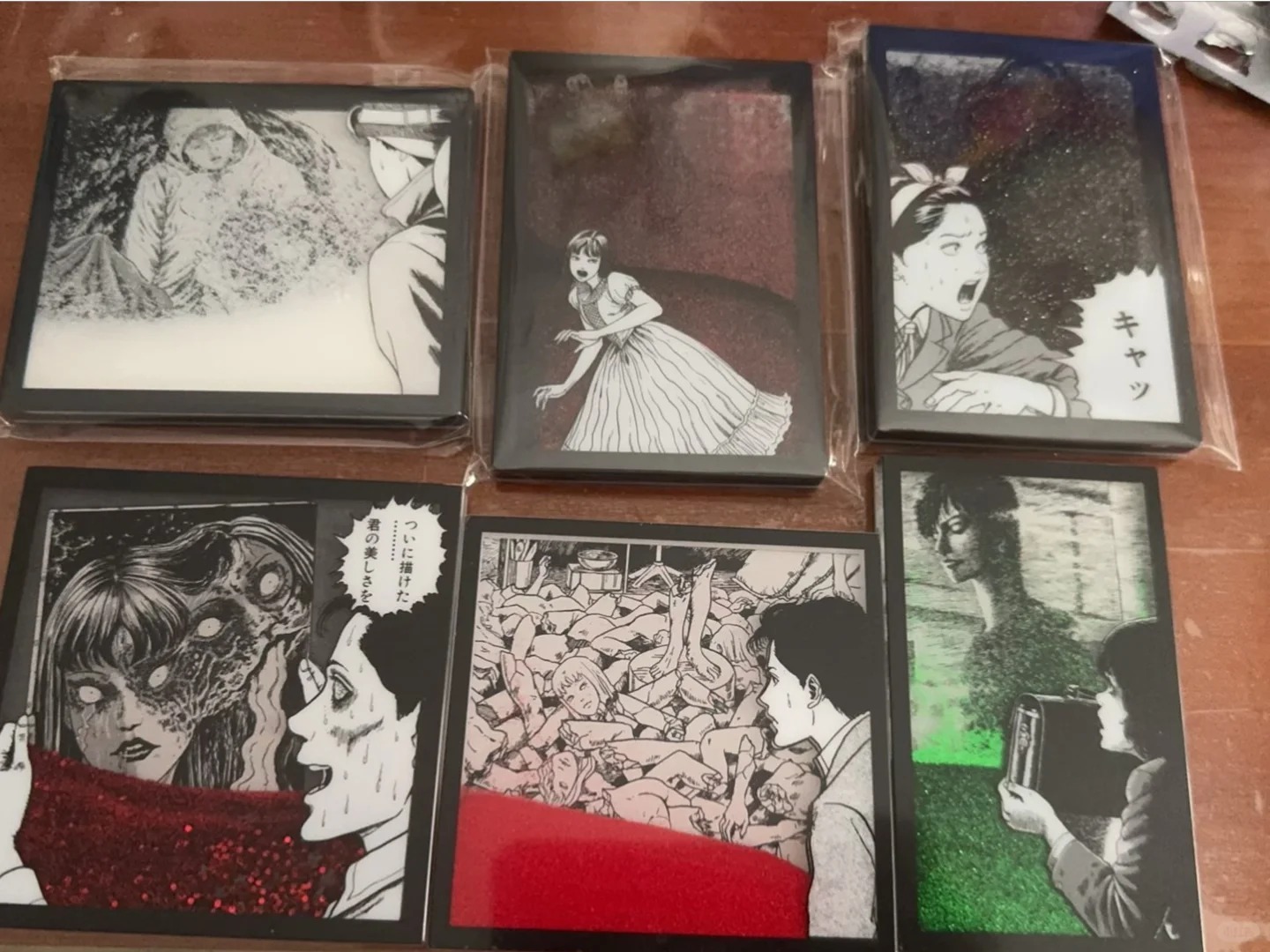
The new collaboration includes four drinks: juicy bayberry lemon tea, probiotic bayberry ice, Thai green lemon tea, and extra-strong hand-beaten lemon tea. The packaging swaps clean summer freshness for horror manga drama, with cups and bags printed with Tomie and other Junji Ito-style visuals. The merch lineup is also much more than a simple sticker giveaway: 3D Tomie fridge magnets, reflective badges, liquid acrylic charms, and a transparent umbrella covered in floating heads. Ningji also opened 10 themed stores across major Chinese cities including Beijing, Shanghai, Guangzhou, Shenzhen, and Hangzhou, turning ordinary tea shops into red-and-black horror manga check-in spots.
The reaction has been split in exactly the way a good Gen-Z campaign wants. Some people joked that the cups looked too creepy to drink. Others said the visuals made them lose their appetite. But Junji Ito fans praised the idea as wildly creative, saying they never expected a lemon tea brand to collaborate with Tomie in the first place. People are lining up for the merch, sharing store photos, and even admitting that the drinks actually taste good.
That tension is the whole point.
China’s new tea drink market is extremely crowded. A brand can launch a seasonal fruit flavor, but so can everyone else. It can do a cute IP collab, but cute IP collabs are now everywhere. For younger consumers, especially the ones who grew up around anime, manga, Bilibili edits, Xiaohongshu aesthetics, blind box culture, and limited merch drops, a drink is no longer just a drink. It is a small identity signal. It says what you are into, what kind of humor you understand, and whether you are the sort of person who would proudly carry a horror manga umbrella in the rain.
This is where Ningji’s Junji Ito collab becomes smarter than a normal logo-slap partnership. The brand is not just putting a popular character on a cup. It is using contrast as the hook: fresh lemon tea versus psychological horror, summer fruit versus dark manga, bayberry sweetness versus Tomie’s dangerous beauty. The campaign gives people something to argue about, laugh at, collect, photograph, and share. Even negative reactions like “this is too creepy” become free distribution, because they make the product more memorable.
The choice of bayberry also helps the collab feel less random. Bayberry is juicy, dark red, slightly tart, and visually intense, which fits the Tomie theme much better than a generic lemon drink would. The red-black store design, reflective badges, and transparent umbrella all push the same atmosphere. For fans, it feels like a real themed drop. For casual consumers, it is strange enough to stop scrolling.
Ningji also benefits from repeating a proven play. Its first Junji Ito collaboration in 2025 reportedly generated strong online exposure, long queues, and a sharp jump in delivery sales. Bringing the IP back one year later turns it from a one-off stunt into a recognizable brand asset: Ningji is not just “that lemon tea brand,” but the lemon tea brand willing to go darker, weirder, and more niche than the usual beverage campaign.
That is a useful position in China’s Gen-Z consumer market. Young shoppers are not only looking for polished prettiness. They also respond to irony, subculture references, emotional intensity, and things that feel a little “wrong” in a fun way. A cursed lemon tea cup may not appeal to everyone, but it does something more valuable: it makes the brand impossible to ignore.
Too haunted to drink? Maybe. But apparently still tasty enough to finish.
See the original on Instagram → @chinainsider