This Chinese brand is challenging a luxury world long dominated by Western brands
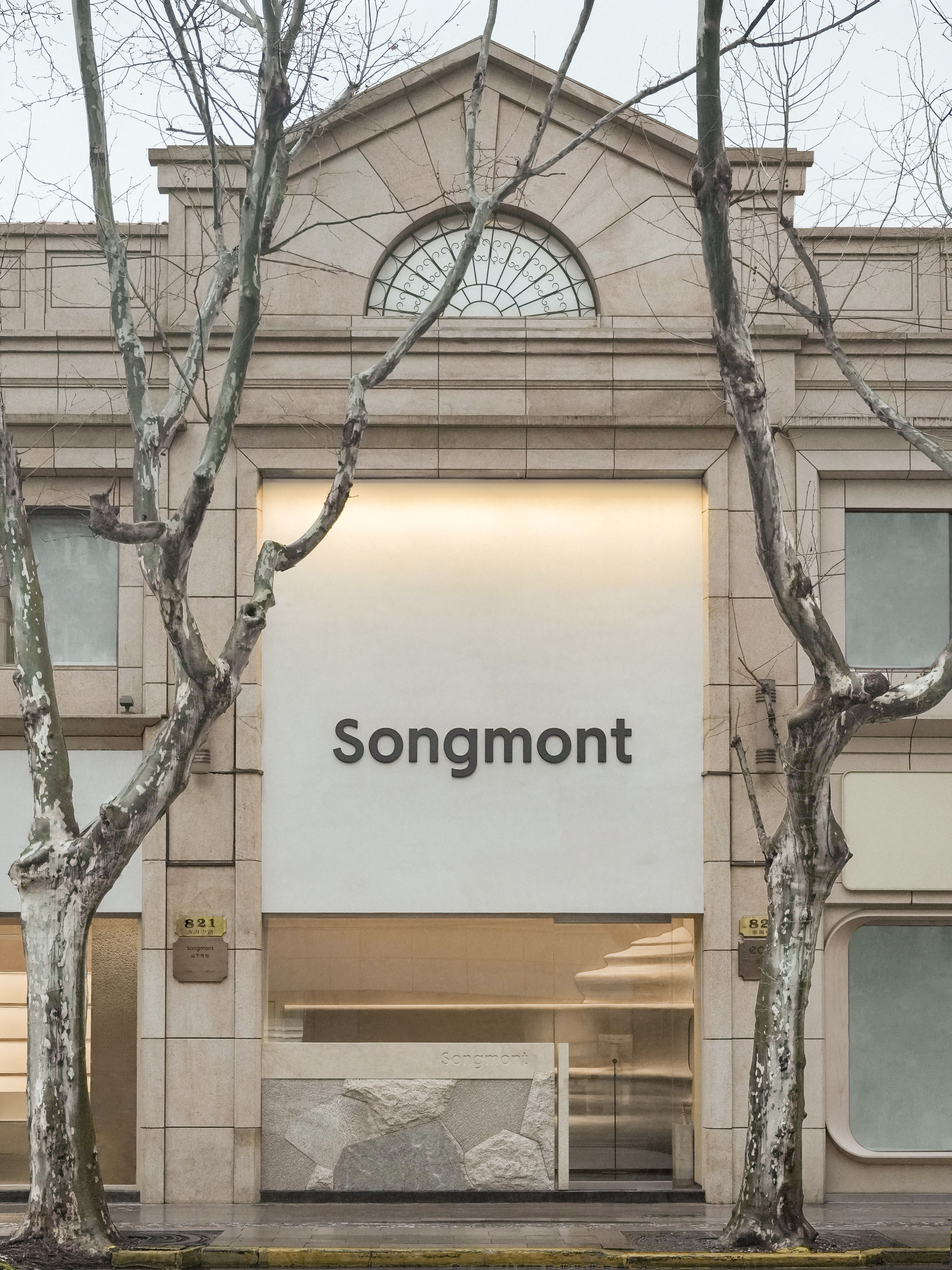
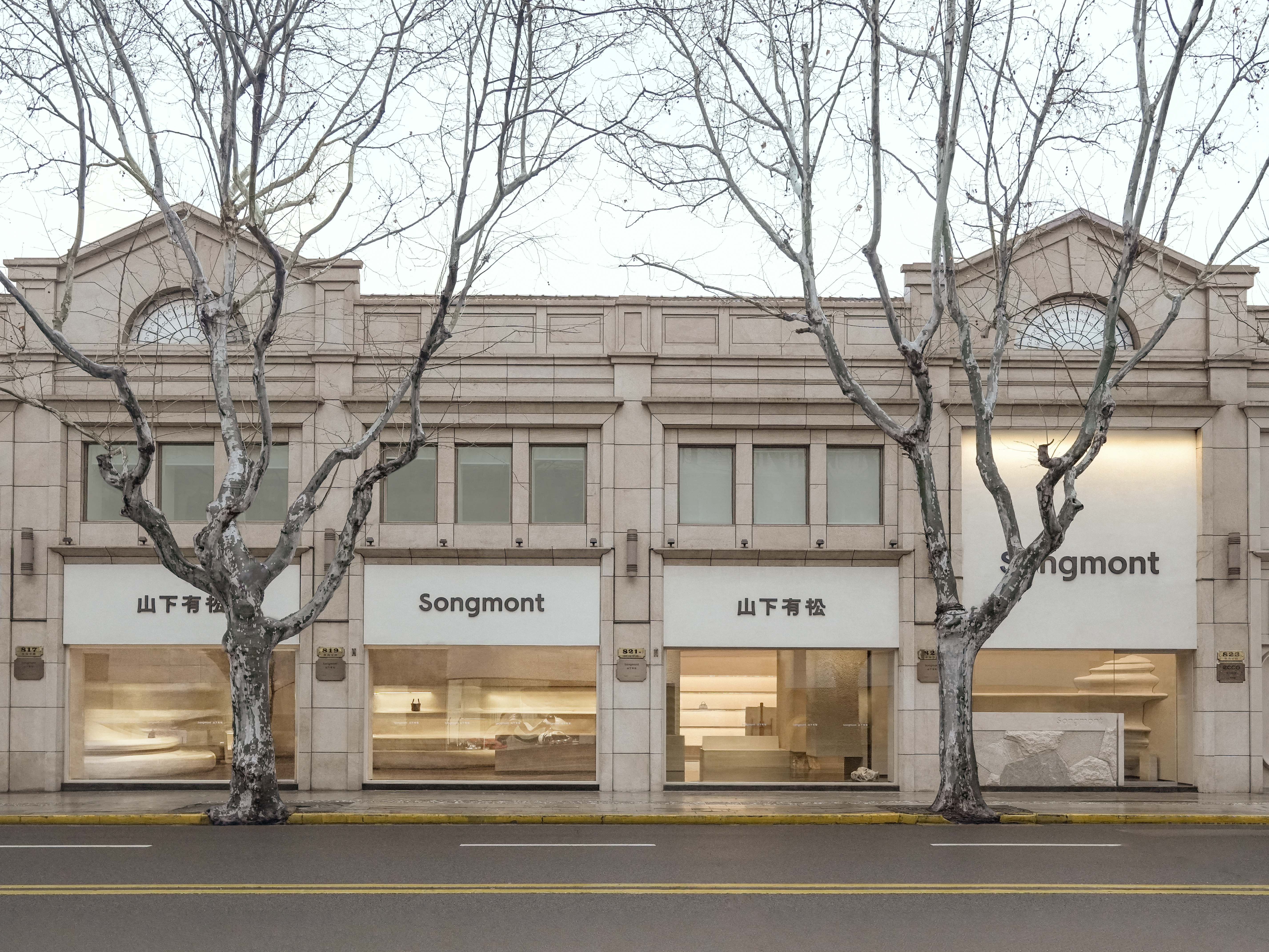
When Bernard Arnault — the boss of LVMH — stopped by a Songmont store in Shanghai and bought two bags, people in China immediately knew this wasn’t just a rando
When Bernard Arnault — the boss of LVMH — stopped by a Songmont store in Shanghai and bought two bags, people in China immediately knew this wasn’t just a random shopping moment 👜
Because Songmont isn’t just another trendy handbag label. It’s part of a much bigger shift:
this Chinese brand is starting to challenge a luxury world long dominated by Western brands.
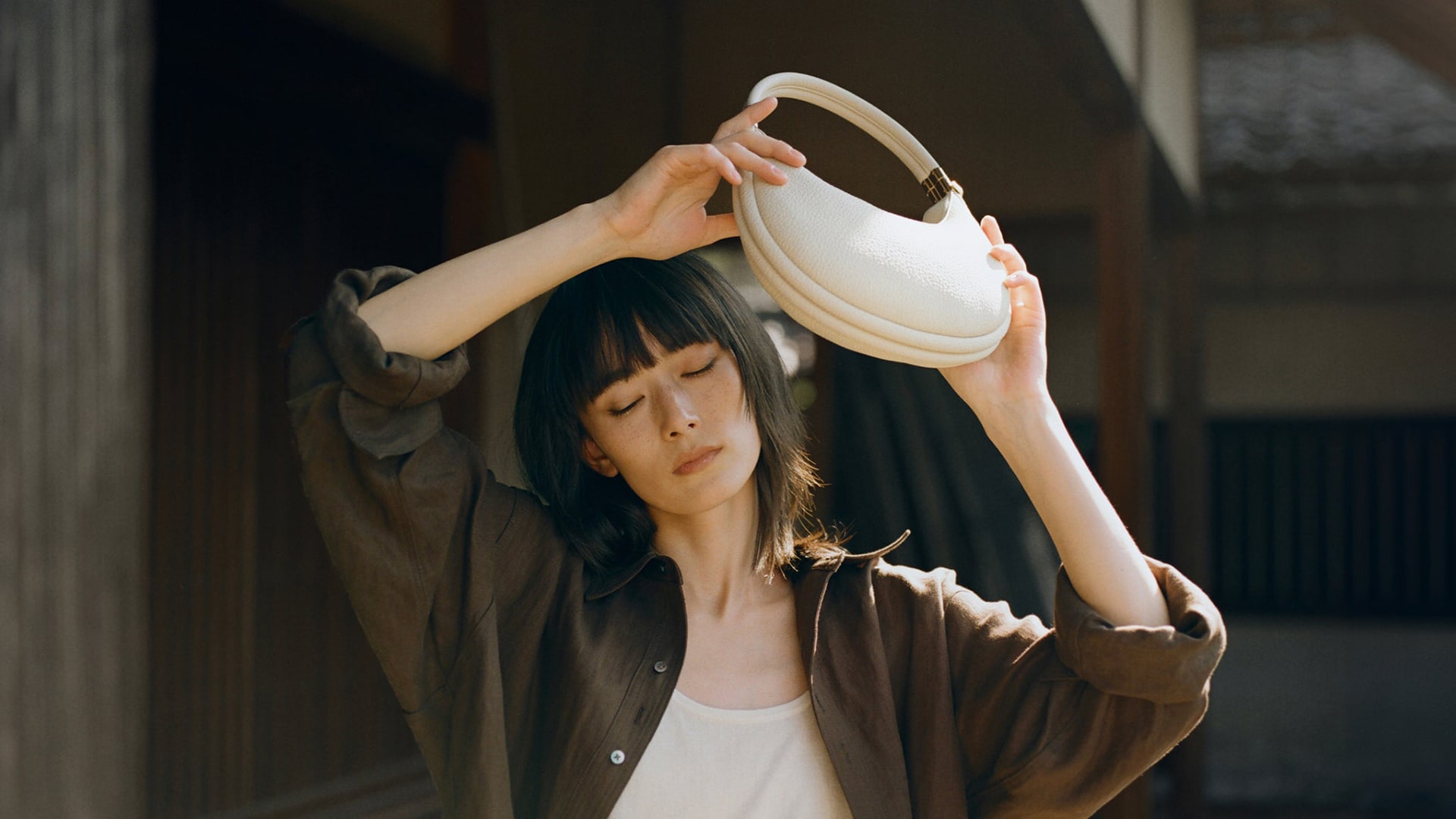
Instead of chasing big Western logos, more young consumers in China are turning to brands that feel more personal, more low-key, and closer to their own culture. One name that keeps coming up? Songmont.
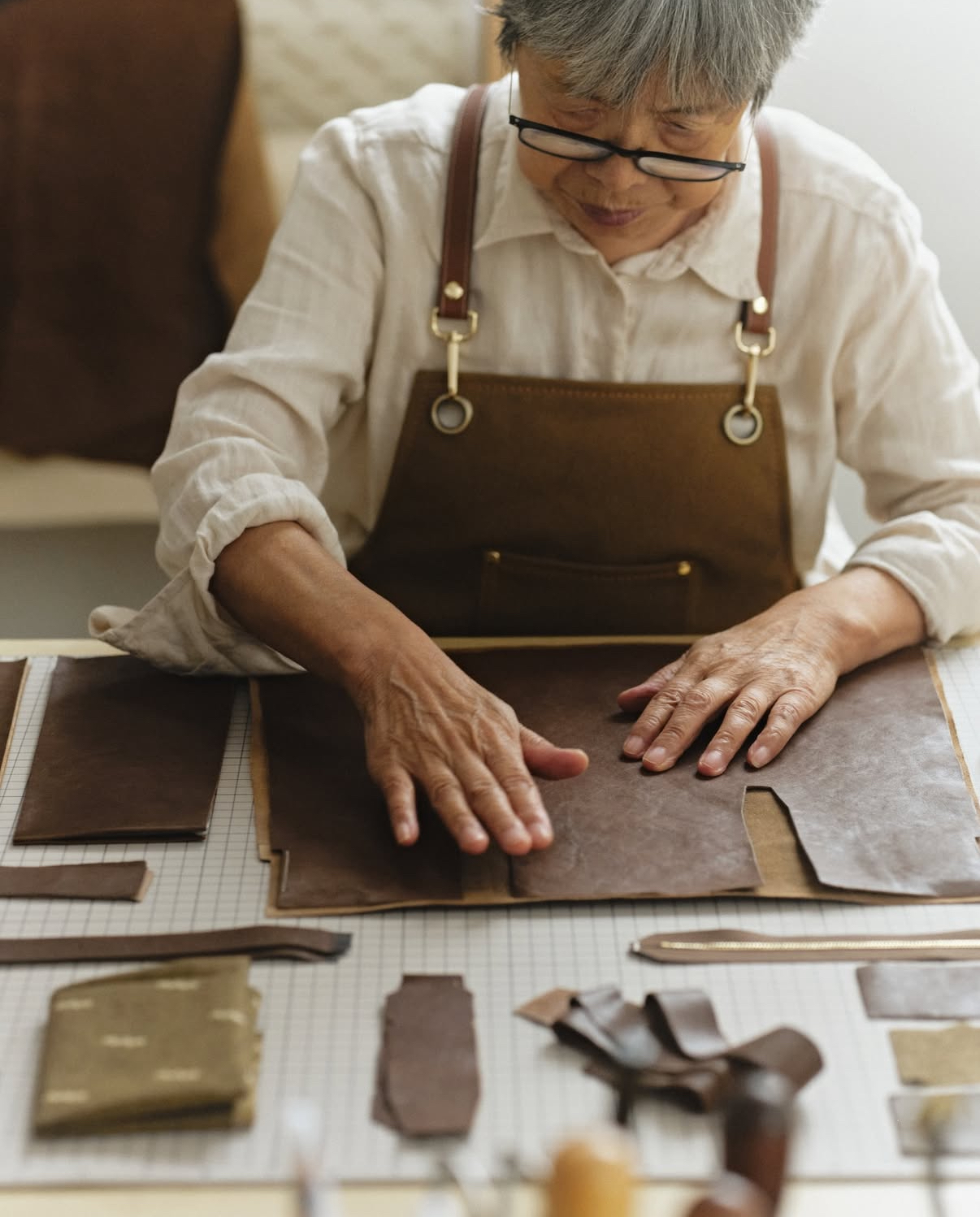
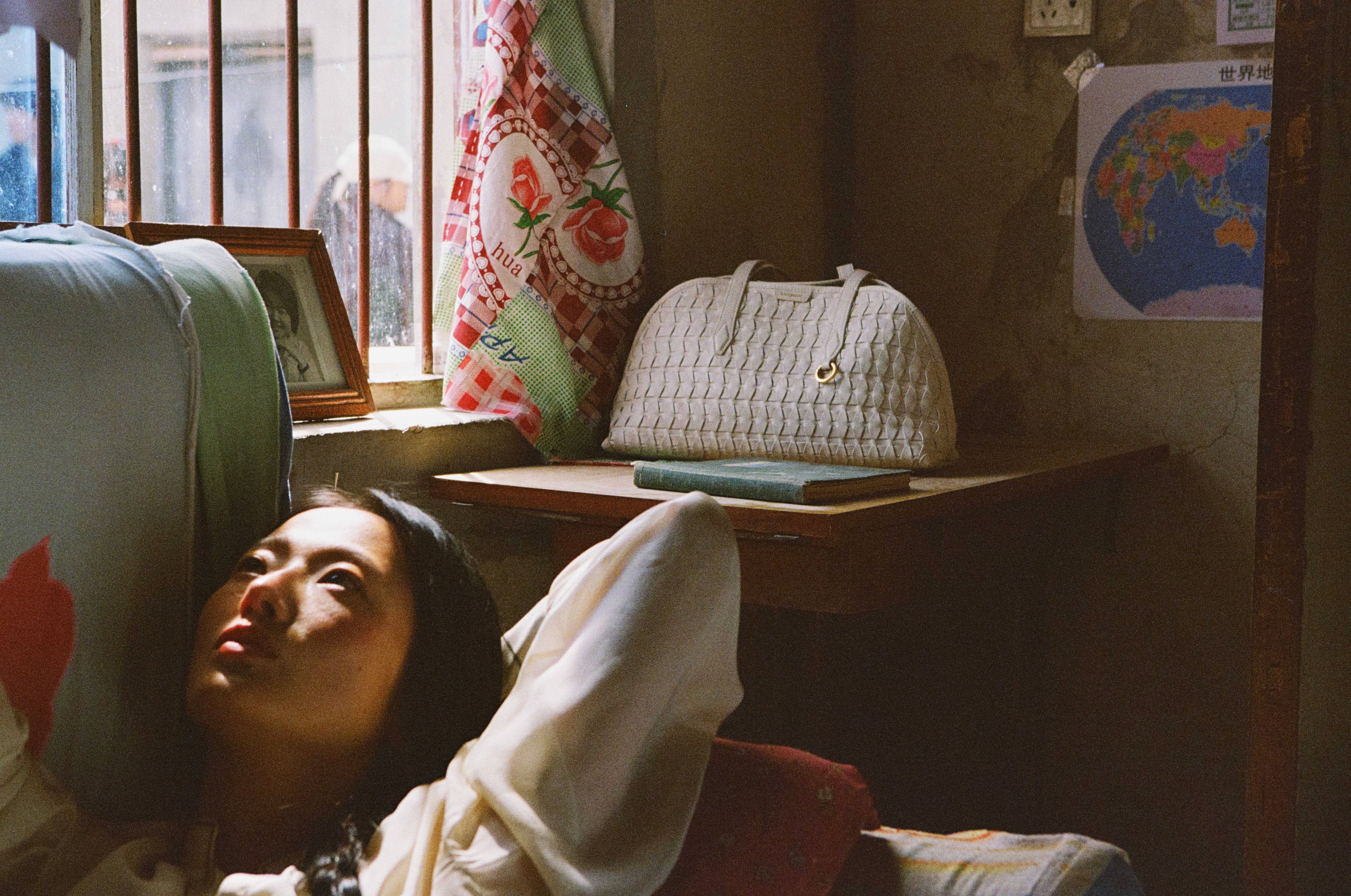
Founded in 2013, Songmont started far from the spotlight—in a small hometown workshop in Shanxi. The founder’s mother brought together a group of experienced “grandma artisans,” most around 65 years old, to handcraft the brand’s very first bags.
As the brand grew, factories joined—but the grandma team stayed. Today, they’re still repairing bags on the front line, supporting Songmont’s lifetime repair service and giving each piece a longer life beyond trends.
The brand’s philosophy is simple: “Knowing • Living • Being.”
No loud logos, no obvious flex—just clean design, solid craftsmanship, and bags that age with you.
It’s not just industry insiders noticing. Actress Rosamund Pike also recently appeared on Songmont’s podcast “Song of Mont,” where she spoke about identity, femininity, and strength—while carrying one piece from the latest #SongmontLatticeCollection. She was also spotted visiting a Songmont store in Shanghai earlier this year, adding to the growing list of global figures paying attention.
For Chinese Gen-Z, this isn’t just a switch in brands—it’s a shift in values. From logo-driven status to craftsmanship, longevity, and stories that feel closer to home.
And when a brand like Songmont combines modern design with Chinese roots—and still carries the touch of its “grandma artisans”—it just hits differently.