This Hong Kong Hotel Takes You Back to the City's Golden Era
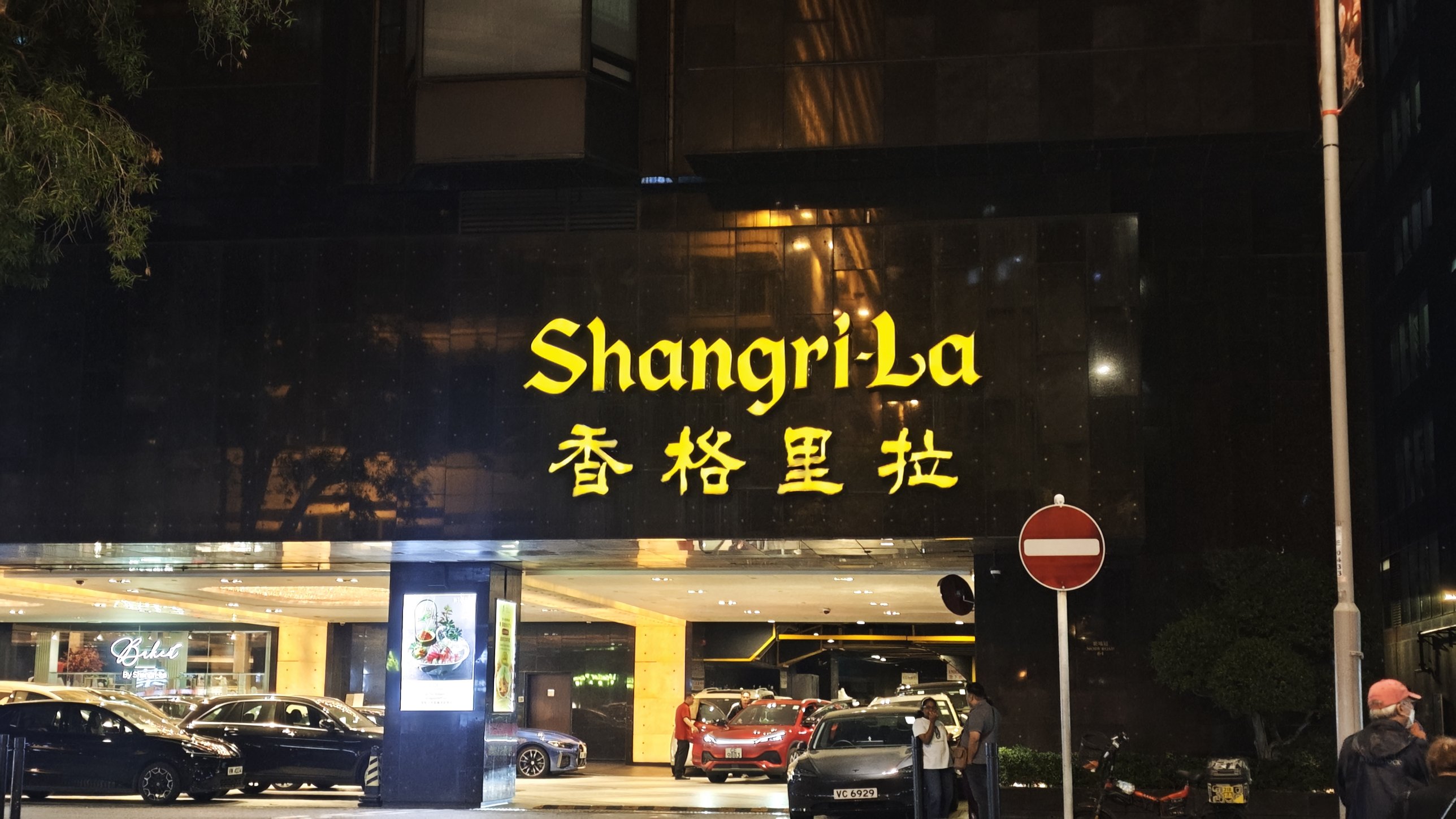
From nine hidden dragons and a mysterious Himalayan paradise to Japanese dining traditions and 45 years of Victoria Harbour views, Kowloon Shangri-La has stories to tell about the Hong Kong we remember — and the glamour that lives on.
There are nine dragons hiding inside the lobby of a luxury hotel in Hong Kong.
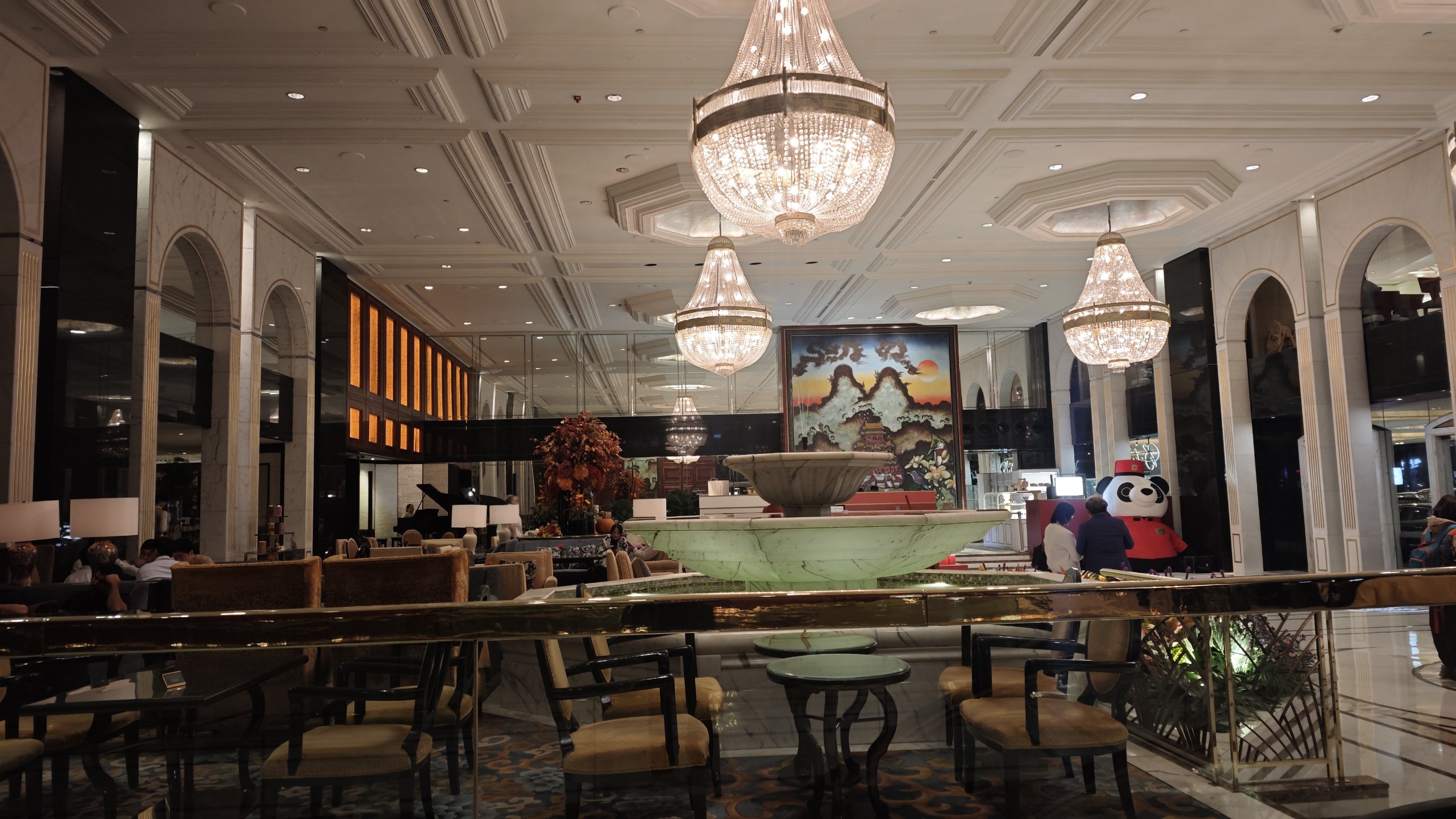
Not the kind you'd expect, though. Look closely at the enormous paintings decorating Kowloon Shangri-La's grand lobby, and you'll discover nine dragon-shaped clouds hidden among mountains, flowers and an imaginary paradise.
They're a tribute to Kowloon, whose name literally means "nine dragons."
The paintings have been there since the hotel opened in 1981, when Hong Kong was entering one of the most celebrated periods in its cultural and commercial history. Forty-five years later, the city outside looks dramatically different, but step through the hotel's doors and something of that golden-era glamour remains.
And the dragons are only the beginning.
A Hotel That Arrived With Hong Kong's Golden Era
On June 17, 1981, Kowloon Shangri-La opened its doors in Tsim Sha Tsui East, becoming the first hotel in a newly developed district built on reclaimed land along Victoria Harbour.
Today, Tsim Sha Tsui is one of Hong Kong's most recognisable destinations, packed with hotels, shopping centres, restaurants and visitors from around the world.
But back in the early 1980s, its eastern waterfront was still finding its identity.
Hong Kong was booming. International business was expanding, its entertainment industry was gaining influence across Asia, and its skyline was beginning the transformation that would eventually make it one of the world's most recognisable.
Tsim Sha Tsui East was becoming a new destination for business, dining and nightlife. Grand hotels and office towers rose along streets that had barely existed a few years earlier.
And then came the lights.
In 1983, local property developers began decorating the neighbourhood's buildings with elaborate festive illuminations to attract visitors. What started as an effort to bring people into a new commercial district eventually became one of Hong Kong's most beloved holiday traditions.
By the late 1980s and 1990s, Tsim Sha Tsui East was synonymous with glittering nightlife, upscale dining and the unmistakable energy of a city enjoying its international moment.
Kowloon Shangri-La had been there almost from the beginning.
From its harbour-facing windows, generations of guests have watched the skyline evolve, as new towers appeared, neighbourhoods changed and the city reinvented itself.
The view has changed enormously over 45 years. The appeal of watching Hong Kong light up after dark? Not so much.
The Story Behind the Name Shangri-La
Even the hotel's name comes with a little literary mystery.
Shangri-La wasn't originally a luxury hotel brand, or even a real destination.
The name comes from Lost Horizon, a 1933 novel by British author James Hilton. The story follows travellers who discover a mysterious, isolated paradise hidden among the Himalayan mountains, where life seems to move at an entirely different pace.
The fictional Shangri-La became an enduring symbol of peace, beauty and escape from the outside world.
When Malaysian businessman Robert Kuok established the first Shangri-La hotel in Singapore in 1971, the name offered an irresistible vision: a peaceful sanctuary amid the bustle of modern life.
And at Kowloon Shangri-La, the literary connection goes beyond the branding.
Tucked inside a drawer in every guest room is a copy of Lost Horizon, waiting for guests to discover the story behind the place they're staying in.
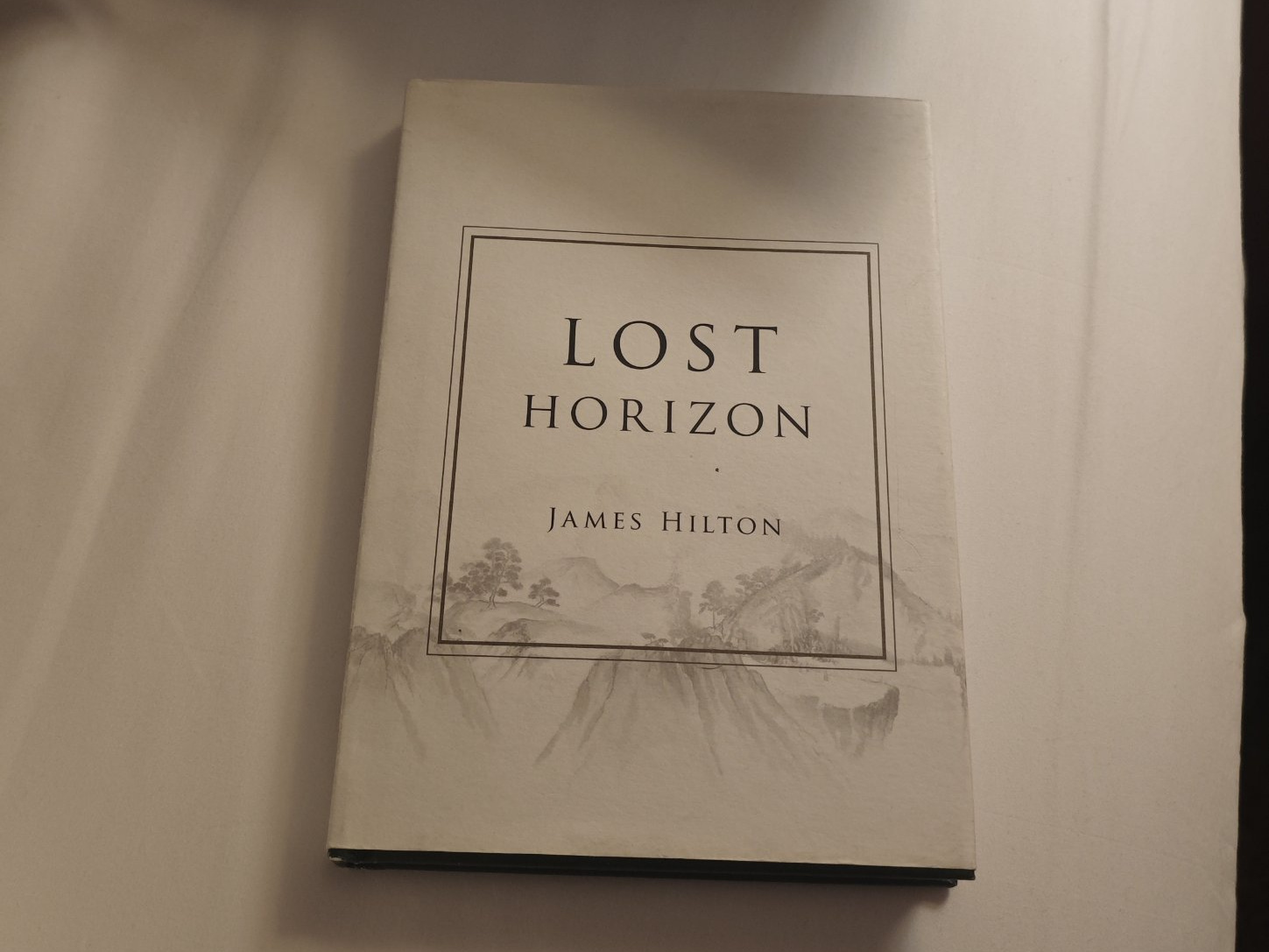
It's a charming detail in an age when so much information is delivered through QR codes and digital screens.
There's something rather romantic about finding a physical book in a hotel room, especially one that explains why the hotel exists under that particular name.
Nine Dragons and a Paradise Painted on the Walls
Back downstairs, the connection to Lost Horizon continues on a much larger scale.
The hotel's grand lobby features four monumental paintings depicting the mythical Shangri-La valley, complete with mountains, lotus flowers, birds and lush vegetation.
They were created by artist Malcolm Golding, who spent six months working on the murals before the hotel opened in 1981.
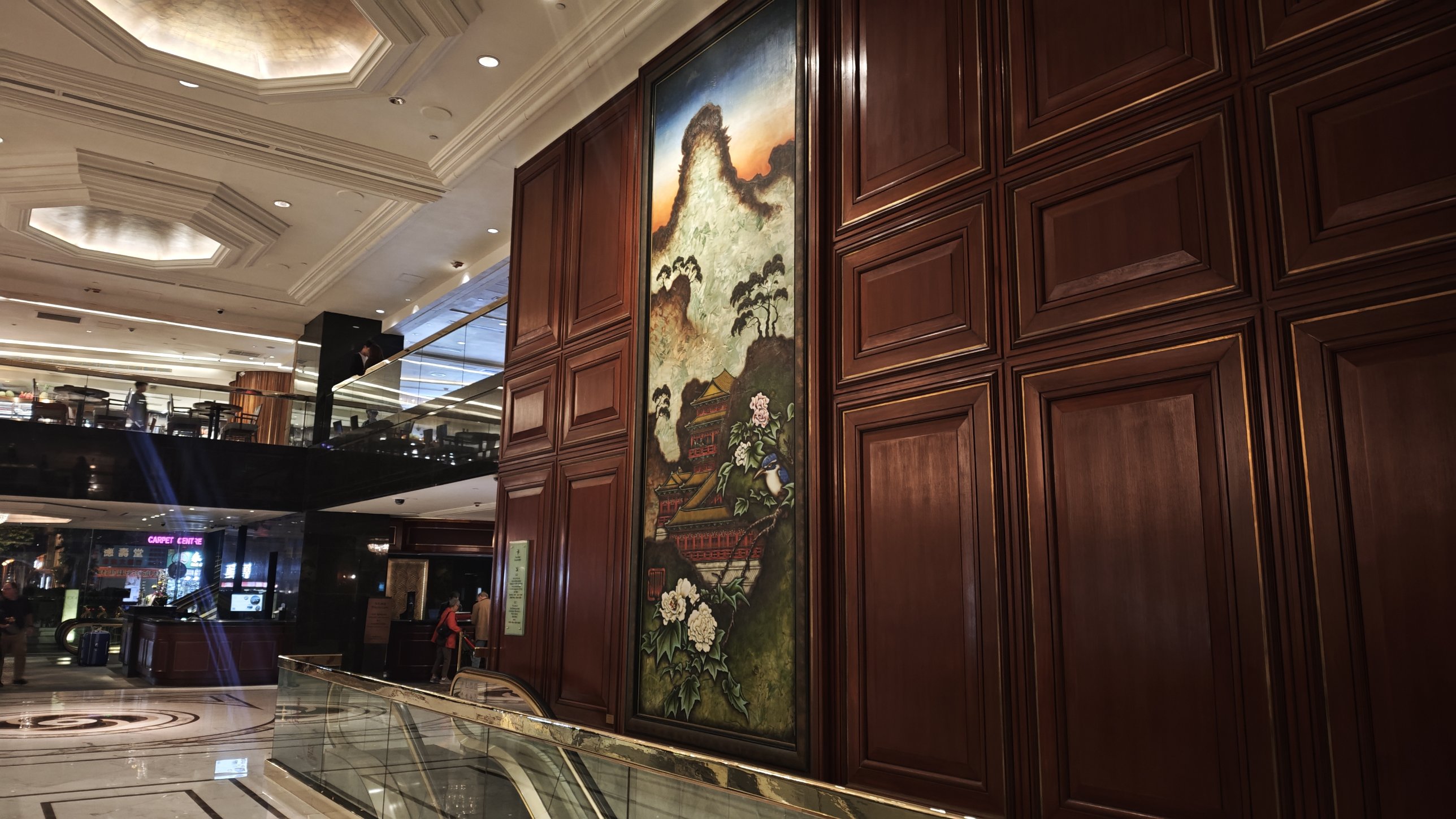
Hidden within the imaginary landscape are nine dragon-shaped clouds, a reference to Kowloon's name and its local identity.
More than two decades later, in 2003, Golding returned to the hotel to restore his original artworks.
It's a remarkable detail: the same artist who helped create the hotel's atmosphere at the beginning of the 1980s came back to preserve it for another generation.
The paintings still sit alongside polished marble, glittering chandeliers and the kind of grand interior design that recalls an earlier chapter of international luxury hospitality.
Rather than creating a new retro aesthetic, the hotel has its own history to draw from.
And that's part of the charm.
When a Luxury Hotel Was a Little World of Its Own
There's another reason Kowloon Shangri-La feels different from many contemporary hotels.
Long before mobile apps, minimalist check-in counters and streamlined hospitality concepts, grand hotels were designed to function almost like small cities.
The idea was simple: once you arrived, nearly everything you might need could be found under one roof.
Kowloon Shangri-La still carries much of that philosophy.
Need a suit tailored? There's a bespoke tailor on the mezzanine level.
A haircut or beauty appointment? There's a salon.
The hotel also offers shoeshine and laundry services, a 24-hour gym, business facilities, an indoor swimming pool, wellness treatments and room service around the clock.
Evening turndown service adds another familiar ritual of traditional luxury hospitality: returning to a room that's been prepared for a good night's sleep.
Individually, these details may sound small.
Together, they create a different philosophy of hospitality, one built around anticipating what guests might need rather than simply providing somewhere to sleep.
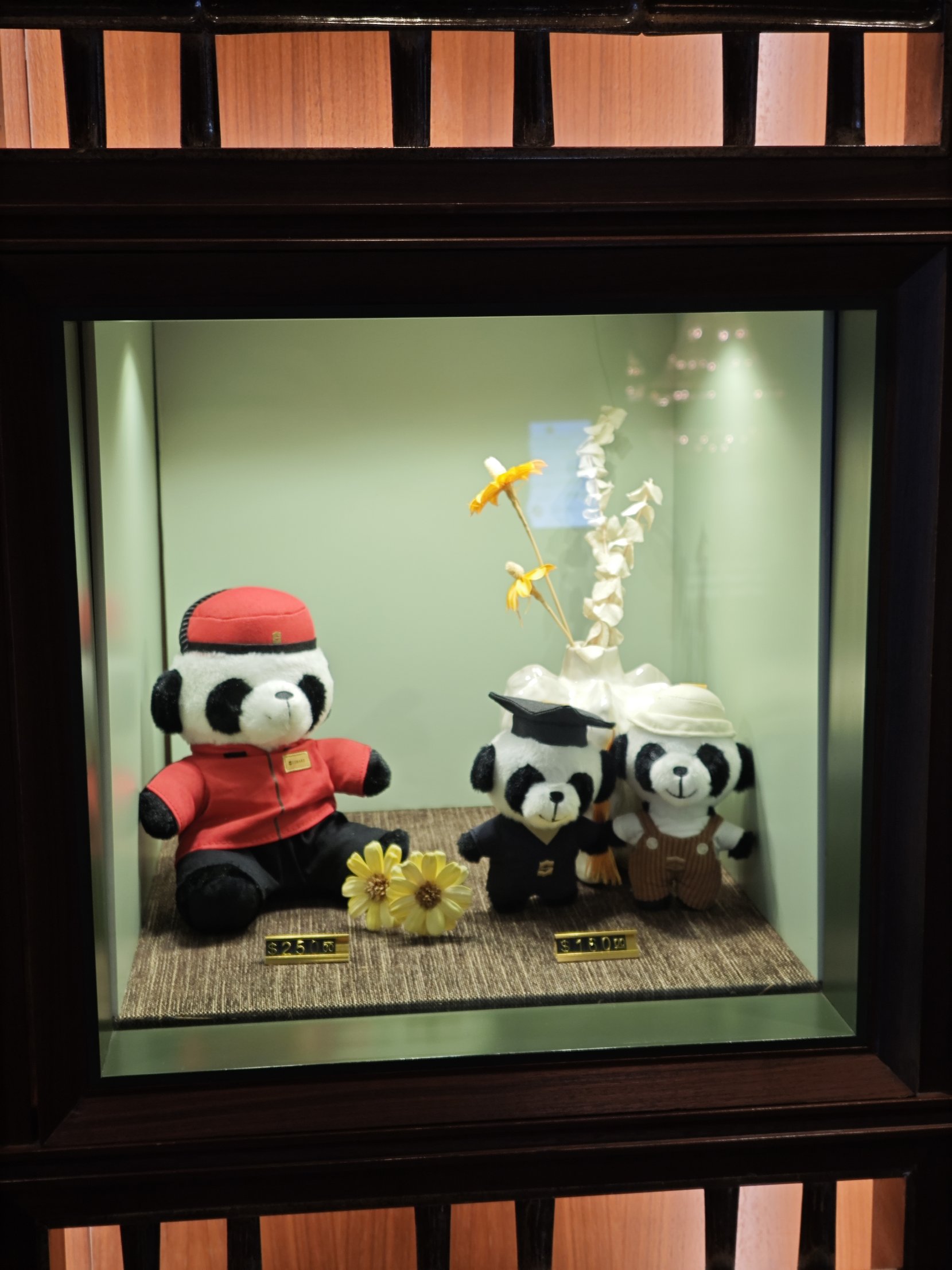
And then there's the food.
Kowloon Shangri-La's restaurants feel almost like a collection of destinations within the same building.
Its Michelin-starred Cantonese restaurant, Shang Palace, serves refined regional cuisine in an elegant red-and-gold dining room.
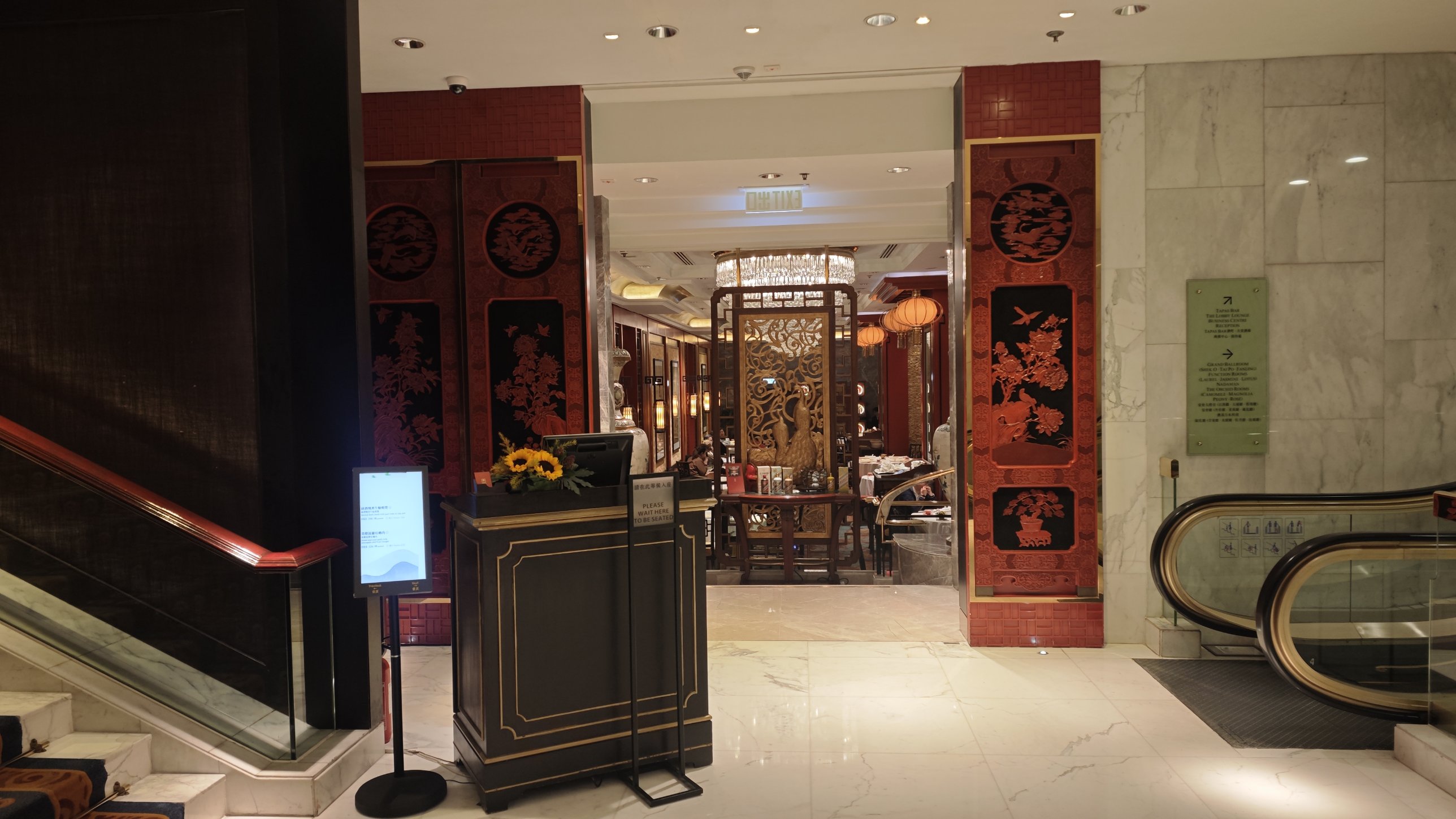
For something more casual, Baked by Shangri-La brings freshly baked breads, pastries and cakes into the lobby.
And in the evening, the Lobby Lounge serves traditional Chinese desserts, including ginger milk pudding prepared fresh at the table, alongside Hong Kong favourites such as mango sago with pomelo.
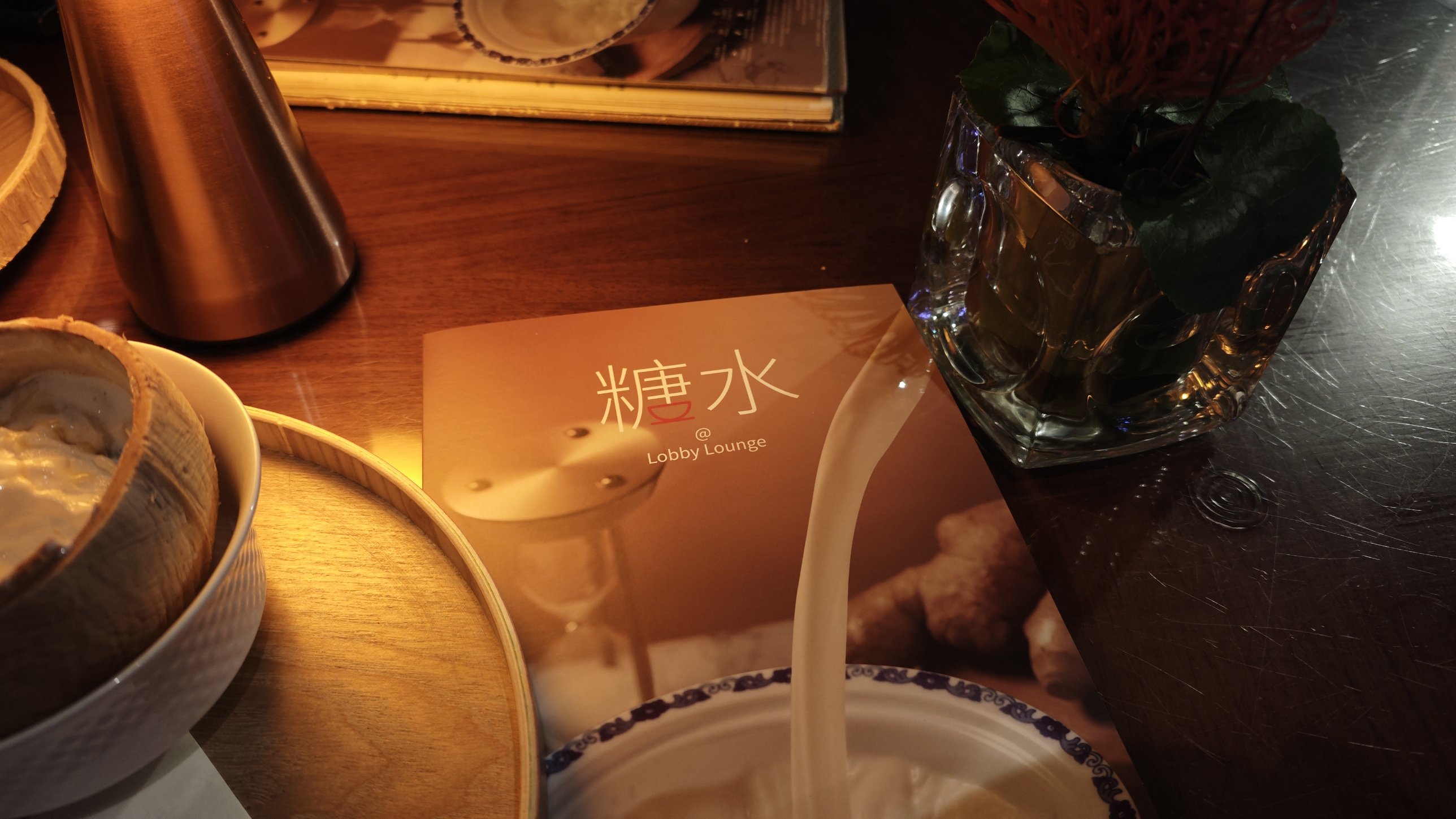
There's something lovely about being able to enjoy an elaborate dinner, pick up a pastry or settle into a lounge for a traditional local dessert without ever leaving the hotel.
It's old-school luxury, but with a distinctly Hong Kong personality.
A Taste of Japan, Nearly 200 Years in the Making
One of the hotel's dining gems comes with a history even older than the hotel itself.
Founded in Osaka in 1830, Nadaman chose Kowloon Shangri-La for its first overseas restaurant in 1981, the same year the hotel opened.
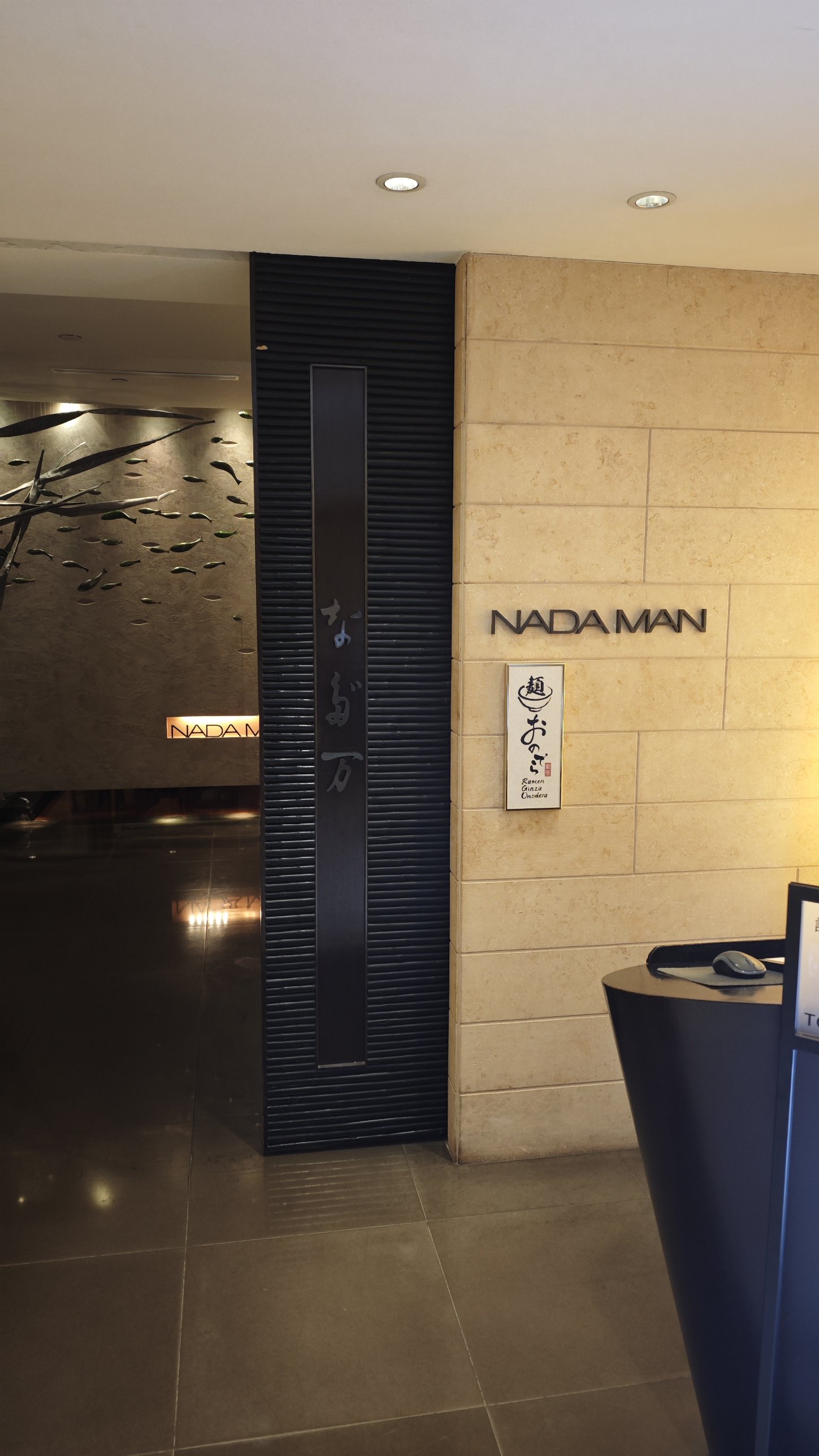
More than four decades later, it continues to bring Japanese culinary traditions to Hong Kong, from delicate kaiseki multi-course dining to sushi, tempura and teppanyaki, all prepared with an emphasis on seasonal ingredients and meticulous presentation.
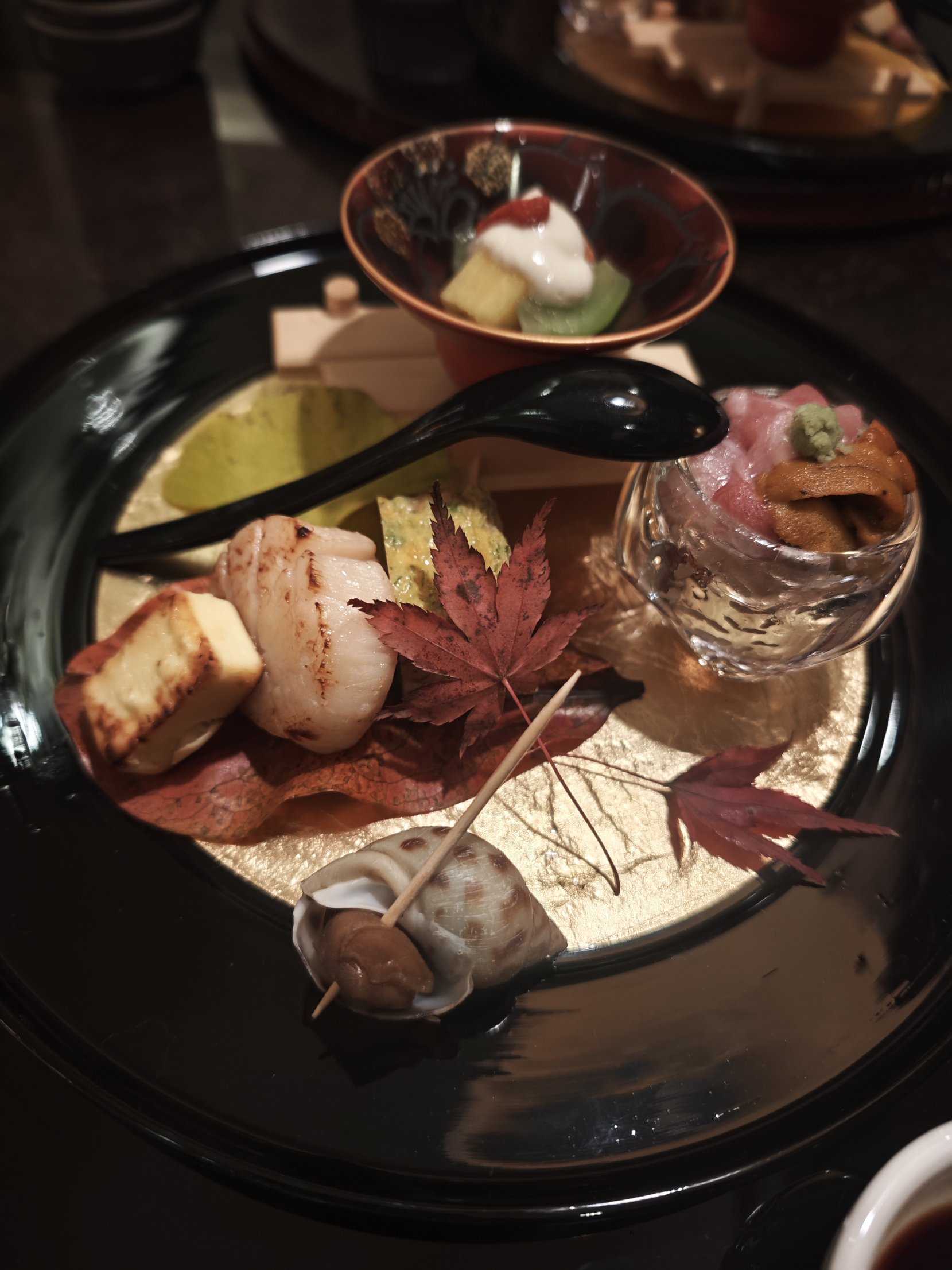
It's another little piece of history tucked inside a hotel that has seen Hong Kong transform around it.
The Accidental Invention That Became a Shangri-La Signature
One of the hotel's most interesting stories began with a problem.
When Kowloon Shangri-La opened in 1981, its 21st floor couldn't be reached directly by elevator.
Not exactly what you'd expect from a brand-new luxury hotel.
Instead of treating the inconvenience as a disadvantage, the management team came up with a clever solution.
They transformed the floor into an exclusive guest experience called Club 21, offering special privileges including complimentary breakfast and personalised concierge services.
Suddenly, the floor that required a little extra effort to reach became one of the hotel's most desirable.
Guests loved the experience so much that returning visitors began specifically requesting rooms on the 21st floor.
That experiment eventually evolved into Shangri-La's Horizon Club, the premium club-floor concept that later expanded across the group's hotels worldwide.
What began as an architectural inconvenience helped shape one of the brand's signature hospitality experiences.
Sometimes, even luxury comes from a little improvisation.
A Different Kind of Hong Kong Romance
There's a particular kind of romance associated with old Hong Kong.
It's in the neon signs, the crowded streets, the late-night restaurants and the breathtaking contrast between the city's relentless pace and its quieter private moments.
But perhaps nothing captures that atmosphere quite like its music and movies.
The 1980s and 1990s were an extraordinary period for Hong Kong pop culture, when Cantopop stars like Leslie Cheung and Anita Mui became household names across Asia, and Hong Kong cinema developed an international following.
Think Leslie Cheung's Monica, Anita Mui's Bad Girl, and the dreamy voice of Faye Wong.
Or Wong Kar-wai's Chungking Express, where Faye Wong's Cantonese cover of The Cranberries' Dreams, known as Dream Person, became part of one of the most memorable soundtracks in Hong Kong cinema.
Alongside California Dreamin' by The Mamas & the Papas, the music helped turn a story about lonely people in a crowded city into something strangely romantic.
Films like Chungking Express and Fallen Angels, with their restless streets, saturated colours and unmistakable nighttime atmosphere, helped create the visual language through which much of the world still imagines Hong Kong.
And that fascination hasn't disappeared.
In October 2026, The Weeknd released Hong Kong, a track built around the music and original Cantonese vocals of Faye Wong's 1993 song Monsoon.
More than three decades after the original recording, a new generation was hearing those familiar melodies in an entirely different context.
It's a lovely example of how Hong Kong's cultural past continues to inspire artists and audiences today.
Kowloon Shangri-La belongs to that same broader urban history, though its atmosphere offers a different perspective.
It isn't a famous Wong Kar-wai filming location, and it doesn't need to be.
While Hong Kong's filmmakers were capturing neon-lit streets and chance encounters, the hotel represented another side of the same city: grand chandeliers, elegant dinners, formal celebrations and the quiet luxury of a room overlooking Victoria Harbour.
Outside, there are busy streets, shopping districts and the constantly changing waterfront.
Inside, the pace softens.
A chandelier glows above the lobby. Guests gather for afternoon tea. Live music fills the lounge. Upstairs, the city stretches across the windows of a harbour-view room.
It's a reminder that the romance of a metropolis isn't always found in its busiest streets.
Sometimes it's found in the contrast between the city outside and the sanctuary inside.
Forty-Five Years Later, the Glamour Lives On
Hong Kong has never been a city that stands still.
Its architecture, neighbourhoods, restaurants and cultural scene continue to change, creating new reasons for visitors to discover it.
And today's Hong Kong has plenty of modern luxury hotels with striking architecture, spectacular interiors and entirely new approaches to hospitality.
But Kowloon Shangri-La offers something different.
It carries the history of a neighbourhood that helped define Hong Kong's glamorous international image, the literary imagination of a fictional paradise, and decades of hospitality traditions that remain part of everyday life inside the hotel.
There's a book waiting in a drawer, nine dragons hiding in a mural and a Japanese restaurant whose history stretches back nearly two centuries.
There's also the simple pleasure of having your suit pressed, enjoying a proper afternoon tea or looking out over Victoria Harbour as the city lights begin to appear.
Forty-five years after its opening, the hotel continues to connect different chapters of Hong Kong's story.
And perhaps that's the real attraction.
The city doesn't need to return to the 1980s to celebrate what made that era special. Its history can remain part of the present, enjoyed by people who weren't even born when the original lights first came on.
Hong Kong keeps moving forward.
And at Kowloon Shangri-La, a little of its golden-era glamour is still very much alive.
See the original on Instagram → @chinainsider