A Chinese philosophy podcaster out-interviewed every film journalist — and Christopher Nolan loved it
Movie junkets are a predictable ritual: stars shuffle through identical hotel rooms, journalists cycle through the same six questions about stunts and co-stars,
Movie junkets are a predictable ritual: stars shuffle through identical hotel rooms, journalists cycle through the same six questions about stunts and co-stars, and everybody pretends this is journalism. The machine is designed to produce safe, SEO-friendly soundbites, not actual conversations.
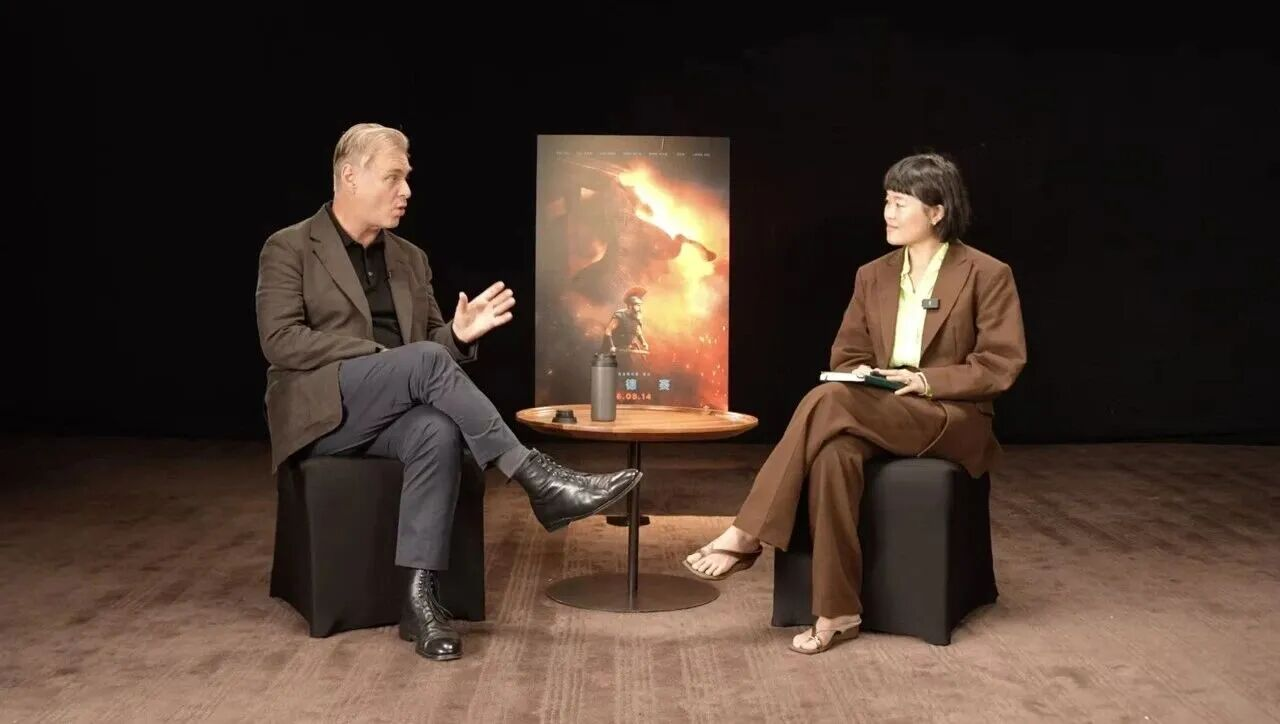
Someone forgot to tell Zhong Shu.
The Boston College political philosophy PhD candidate runs
独树不成林
("A Single Tree Does Not Make a Forest"), one of Chinese podcast platform Xiaoyuzhou's top shows. Her episode on how to read Homer's
Odyssey
caught the attention of Universal Pictures, who — in a move that now looks like low-key genius — offered her an interview with Christopher Nolan ahead of his adaptation hitting Chinese theaters.
What happened next is the kind of thing marketing teams daydream about.
Zhong skipped every softballs. No "what was it like working with the cast," no "tell us about the IMAX cameras." Instead, she opened with: "Are you a bard from the twilight of civilization?" Then: "Did you Christianize the
Odyssey
?" "Should Odysseus repent for his arrogance?" "What are the gods — products of imagination or necessary noble lies?"
Nolan, who has endured thousands of press interviews across a three-decade career, was visibly caught off guard — smiling, thinking, actually
talking
. He called it "a very interesting conversation," which is Nolan-speak for genuinely delighted.
The 17-minute clip exploded. It cleared 30 million views in a single day across overseas platforms, with international media and viewers labeling it "a textbook-level interview." The ripple effect spilled back into China, where it elevated post-screening discussion quality for the film — people weren't just talking about visual effects; they were debating whether Odysseus needed moral reform.
One particularly telling reaction came from Western audiences: the interview triggered a round of self-flagellation about their own entertainment media, with viewers lamenting that local outlets "only ask gossip and puff questions." When a Chinese philosophy student's podcast makes your country's entire film press corps look lazy, that stings.
There's a larger lesson here for movie marketing, especially for films with intellectual heft. The default playbook — celebrities on variety shows, memes, lifestyle tie-ins — treats every release like a theme park ride. But
The Odyssey
isn't that kind of property, and Universal seemed to understand that throwing a serious thinker at Nolan wasn't a risk so much as an act of cultural precision. Zhong reached an audience that would never click on a standard red-carpet clip, and she gave the film a second life in serious cultural discourse.
It's a reminder that sometimes the most effective "marketing" doesn't feel like marketing at all — it feels like the conversation you'd actually want to have about a film, if nobody stopped you.